
Hi, I’m Ken Miller. I help personal trainers take control, grow their businesses, and thrive, backed by 30+ years of real-world experience.
Finding the right independent gym space in Alameda can make or break your training business.
As a personal trainer going independent, you’re not just choosing where to coach sessions. You’re choosing an environment that shapes your income, your reputation, and how seriously clients take you as a professional.
Alameda offers plenty of options on the surface. Commercial gyms. Boutique studios. Shared spaces with confusing rules. Some look polished. Others are cheap. Many promise flexibility — but deliver restrictions once you’re inside.
That’s where most trainers get stuck.
They choose a space based on convenience or cost, only to realise later that the environment doesn’t fit how they train, who they serve, or where they want their business to go.
This guide is here to change that.
In this post, you’ll learn how to choose the best independent gym space in Alameda — what to look for, what to avoid, and how to evaluate each option through the lens of long-term growth, not short-term convenience.
You’ll also see how experienced trainers in the Bay Area approach this decision, and why the space you train in should support your independence, not limit it.
Because this choice isn’t just about equipment.
It’s about confidence.
It’s about consistency.
And it’s about building a training business that gives you freedom — not friction.
Key Insight:
The right independent gym space doesn’t just give you somewhere to train. It gives your business room to grow.
“The space you train in should support the business you’re trying to build — not hold it back.”
Key Takeaways — How to Choose the Right Independent Gym Space in Alameda

Before you start touring gyms or comparing hourly rates, anchor yourself to these principles.
These are the non-negotiables experienced independent trainers use when choosing a gym space in Alameda — and the same criteria Ken has seen separate trainers who struggle from those who build sustainable, profitable businesses.
Key Takeaways
- Define your training style and ideal client before choosing a space The best independent gym space in Alameda is the one that fits how you coach and who you serve. Equipment, layout, and atmosphere must support your method — not force you to compromise it.
- Choose convenience based on your clients, not your commute In Alameda, client consistency is driven by easy access, parking, and familiarity. If getting to your gym feels stressful for your clients, retention drops fast — no matter how good your coaching is.
- Look for trainer-first policies, not just “trainer-allowed” spaces A gym that tolerates independent trainers is not the same as one designed for them. Transparent pricing, flexible access, and freedom to train your way are essential for long-term growth.
- Evaluate every space through your client’s eyes Cleanliness, professionalism, and flow matter more than how many kettlebells are on the rack. Clients judge your credibility by the environment you bring them into.
- Treat gym rent as a business investment, not a fixed expense The right space should help you earn more over time — not just cost less upfront. Smart trainers track return on investment, not just hourly rates.
Key Insight:
Experienced trainers don’t choose gym space based on price or convenience alone. They choose environments that reinforce trust, consistency, and long-term independence.
Define Your Training Style and Client Needs First

Before you compare rental rates or tour gym floors, stop.
The biggest mistake independent trainers make in Alameda isn’t choosing the wrong gym — it’s choosing a gym before they’re clear on how they train and who they serve.
Your training space is not just a place to work out.
It’s an extension of your coaching philosophy, your brand, and your client experience.
If those don’t align, everything downstream gets harder.
Start With How You Coach
Ask yourself one simple question:
What kind of sessions do I actually run?
Not what you can coach — what you coach best.
For example:
- Do you run strength-focused sessions that require racks, barbells, and space to load?
- Do you coach mobility, corrective exercise, or rehab-style training that needs quieter zones and privacy?
- Do you train older adults or post-rehab clients who need calm, clean, low-distraction environments?
- Do you coach high-energy sessions that need open floor space, turf, or sleds?
Here’s the truth Ken has seen repeatedly working with independent trainers:
When the space fights your coaching style, burnout follows fast.
You end up:
- Waiting for equipment
- Apologizing to clients
- Rushing sessions
- Or constantly “making do” instead of coaching at your best
Key Insight:
The right independent gym space in Alameda should amplify your coaching — not force you to adapt every session.
Then Get Clear on Who You Train
Next question:
Who is your ideal client — really?
Not “anyone who pays.”
The clients you want more of.
In Alameda, that might be:
- Busy professionals who value privacy and efficiency
- Older adults who prioritize safety, trust, and calm environments
- Active adults who want structured strength without the chaos of commercial gyms
- Clients rehabbing injuries who need focus, not noise
Each group experiences space differently.
A gritty, loud environment may excite one client — and completely turn another away.
Clients don’t just buy training. They buy how training makes them feel.
That feeling starts the moment they walk through the door.
Match the Space to the Experience You’re Selling
Here’s where experienced independent trainers think differently.
They don’t ask:
- “Is this gym cheap?”
- “Does it have everything?”
They ask:
- “Does this space reinforce the value of my coaching?”
Because when the environment aligns:
- Sessions feel more professional
- Clients trust you faster
- Retention improves
- Referrals increase without you asking
That’s why trainer-first spaces like Training Station Alameda work so well for independents. They’re built to support focused coaching, not mass membership chaos.
Quick Self-Check Before You Tour Any Gym
Use this checklist before booking a single tour:
- Does this space support my coaching style without compromise?
- Will my ideal clients feel comfortable, confident, and safe here?
- Can I run sessions smoothly without fighting the environment?
- Does this space elevate my brand — or dilute it?
If the answer isn’t a clear yes, keep looking.
Key Insight:
The fastest-growing independent trainers don’t chase availability. They choose alignment.
Action Step
Before you compare prices or schedules, write this down:
- My training style:
- My ideal client:
- The experience I want clients to have:
Once that’s clear, choosing the right independent gym space in Alameda becomes obvious — and far less risky.
Location, Accessibility, and Client Convenience

You can be the best coach in Alameda.
You can deliver incredible results.
But if your clients dread getting to you, they won’t stay.
Location isn’t a detail.
It’s a retention lever.
Convenience Is Not Optional — It’s a Deal Breaker
Clients don’t quit training because your programming stopped working.
They quit because training became inconvenient.
Late meetings. Traffic. Parking stress. Tight schedules.
In a place like Alameda — where people balance work, family, ferry commutes, and limited free time — ease of access matters more than square footage or fancy equipment.
If showing up feels hard, consistency suffers.
And consistency is everything.
Key Insight:
The easier it is for clients to reach you, the longer they stay — and the more valuable your services become.
Think Like Your Client, Not Like a Trainer
This is where many trainers get it wrong.
They choose space based on:
- Cheap rent
- Extra equipment
- Personal convenience
Instead, you should be asking:
“How easy is this for my client to say yes — week after week?”
Consider:
- Can they get there without stress?
- Can they park easily or arrive without rushing?
- Does the area feel safe early mornings or evenings?
- Is the entrance obvious and welcoming?
Clients don’t want friction.
They want flow.
What “Client-Friendly” Looks Like in Alameda
Alameda has a unique rhythm.
It’s not downtown San Francisco — and it’s not suburban sprawl either.
The best independent gym locations in Alameda typically share a few traits:
- Easy parking or predictable access Clients shouldn’t circle blocks or stress before sessions.
- Close to where life already happens Near residential neighborhoods, professional hubs, or common commute routes.
- Safe, calm surroundings Especially important for early morning or evening sessions.
- Simple arrival experience No confusing check-ins. No wandering hallways. No awkward front desks.
Ken has seen this pattern repeatedly:
Trainers who choose convenience-first locations retain clients longer — even if the space is smaller or simpler.
Accessibility = Inclusivity (and Better Business)
Accessibility isn’t just about compliance.
It’s about who feels welcome in your space.
Ask:
- Can older adults enter easily?
- Are there stairs without alternatives?
- Is the space navigable for post-injury or limited-mobility clients?
When access is simple:
- More clients say yes
- Fewer sessions get skipped
- Trust builds faster
That trust turns into loyalty.
Key Insight:
The most profitable trainers optimize for accessibility, not aesthetics.
Why Trainer-First Spaces Win Here
Spaces designed for trainers understand this.
They don’t hide behind:
- Complicated layouts
- Member congestion
- Front-desk bottlenecks
Independent-focused gyms like Training Station Alameda are intentionally built around:
- Smooth arrivals
- Calm environments
- Coaching-first flow
Because the easier the experience feels for the client, the easier it is for you to build a sustainable business.
Quick Location Reality Check
Before committing to any space, answer honestly:
- Would my ideal client enjoy coming here after a long day?
- Would they feel comfortable arriving alone?
- Would they happily recommend this location to a friend?
If there’s hesitation, that hesitation will show up in your retention numbers.
Action Step
Map your current or ideal clients.
Where do they live?
Where do they work?
How do they commute?
Choose a space that fits their life — not just your budget.
Because the best location doesn’t just get clients in the door.
It keeps them coming back.
Independent Trainer–Friendly Policies (What to Look For)

Not every gym that allows independent trainers is actually built to support them.
That distinction matters more than most trainers realize.
Some spaces say “yes” to independents — then quietly make it hard to succeed through rigid rules, hidden fees, or policies that protect the gym before the trainer.
The right facility doesn’t just rent you equipment.
It removes friction from your business.
This aligns with guidance from the National Academy of Sports Medicine (NASM), which emphasizes autonomy, professionalism, and business ownership as critical steps in a trainer’s long-term career development.
From there, truly trainer-friendly spaces tend to share a few defining characteristics:
- Transparent pricing with no hidden fees or surprise add-ons
- Flexible access that adapts as your client base grows
- Freedom to coach your way, without corporate restrictions
- A professional environment that reflects the value of your service
Key Insight: A gym that’s built for independent trainers doesn’t just give you access — it actively supports your growth.
Permission ≠ Support
Here’s the trap many trainers fall into:
- The gym allows outside trainers
- The space looks good on a tour
- The price seems fair at first glance
Then reality sets in.
Suddenly there are:
- Restrictions on when you can train
- Limits on how you coach
- Extra fees that weren’t mentioned
- Policies that shift risk onto you
That’s not independence.
That’s dependency with a different label.
Key Insight:
A trainer-friendly gym is one where the policies work with your business, not against it.
The Core Policies That Actually Matter
When evaluating independent gym space in Alameda, ignore the marketing language.
Focus on the rules.
These are the policies that determine whether you thrive or struggle.
1. Transparent Rental Terms (No Fine Print Games)
Trainer-friendly gyms make pricing obvious.
You should know:
- Exactly what you pay
- Exactly what’s included
- Exactly when you can leave
If you need a contract to understand the pricing, that’s a red flag.
Look for:
- Hourly, block, or monthly options clearly explained
- No percentage cuts on your sessions
- No surprise add-ons after you commit
Ken has seen too many trainers burned by “flexible” agreements that weren’t flexible at all.
Key Insight:
If pricing isn’t simple, it isn’t trainer-first.
2. Freedom to Coach Your Way
You are not a franchise.
Your methods, systems, and coaching style are part of your value.
Trainer-friendly gyms do not:
- Force generic programming
- Restrict tools you rely on
- Interfere with how you coach clients
Instead, they respect that:
- Your expertise is why clients pay
- Your results are your reputation
- Your autonomy is non-negotiable
If a space limits how you train, it limits how you grow.
3. Scheduling Control (Your Time, Your Rules)
One of the biggest reasons trainers leave commercial gyms is loss of control.
So don’t trade one form of restriction for another.
Ask:
- Can I choose my own hours?
- Are peak times rationed or restricted?
- Can I adjust my schedule as my client base changes?
Trainer-first environments understand that:
- Your schedule evolves
- Your business isn’t static
- Flexibility protects long-term sustainability
Key Insight:
If you don’t control your time, you don’t control your business.
4. Policies That Scale With You
Your business today is not your business six months from now.
The right gym supports that growth.
Look for:
- The ability to start small
- Easy upgrades as your schedule fills
- No penalties for adjusting usage
This is where many gyms fail.
They lock trainers into:
- Fixed minimums
- Long commitments
- All-or-nothing packages
Trainer-friendly spaces let you grow at your own pace — without pressure.
5. Professional Standards That Protect Your Brand
You’re not just choosing policies.
You’re choosing an environment that reflects your professionalism.
Trainer-first gyms:
- Maintain equipment properly
- Enforce respectful shared-space behavior
- Attract serious, career-focused coaches
That matters because clients associate you with the space.
Ken often reminds trainers:
“Your environment speaks before you ever do.”
Key Insight:
A gym’s policies don’t just shape your workflow — they shape your brand.
Why Training Station Gets This Right
Training Station Alameda was designed specifically to solve these problems.
Its policies are built around:
- Transparent pricing
- Coaching autonomy
- Flexible scheduling
- Scalable options
- Professional standards
Not as marketing promises — but as operating principles.
Because Ken understands that trainers don’t need another gatekeeper.
They need a platform.
Action Step
Before committing to any gym, ask for the policies in writing.
Read them like a business owner — not a renter.
If a policy limits your freedom, your earnings, or your growth, it’s not trainer-friendly.
The right policies don’t just allow independence.
They protect it.
Tour the Facility Like a Client Would
Most trainers tour a gym like a technician.
Smart trainers tour it like a client.
Because your clients don’t experience the space through programming charts or equipment specs.
They experience it emotionally — in the first 30 seconds.
And those first impressions quietly decide:
- Whether they trust you
- Whether they feel comfortable
- Whether they come back
The Shift That Changes Everything
Here’s the mindset shift Ken encourages:
Stop asking, “Can I train here?”
Start asking, “Would my client feel confident here?”
That one question reframes the entire tour.
First Impressions Matter More Than Equipment
Before a single rep is coached, your client subconsciously evaluates:
- Is this place clean?
- Does it feel professional?
- Do I feel safe here?
- Do I belong here?
If the answer to any of those is “not sure,” trust erodes.
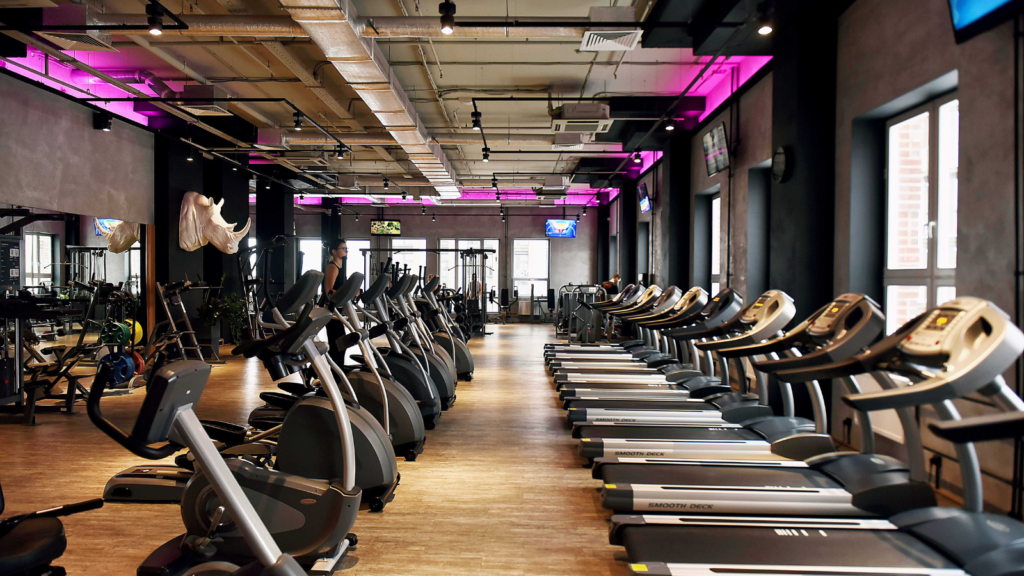
When touring an independent gym in Alameda, pay attention to what hits immediately:
- Entryway and signage
- Lighting and layout
- Noise level and energy
- General organization
Clients decide fast. You don’t get a second first impression.
Key Insight:
Clients don’t judge gyms logically. They judge them emotionally — then justify the decision later.
Cleanliness Is a Trust Signal
Clean space equals professional coaching.
It’s that simple.
Clients notice:
- Floors and bathrooms
- Equipment condition
- Towels, mats, and shared surfaces
A clean facility signals:
- Attention to detail
- Respect for clients
- Pride in the environment
If you ever feel the need to explain away mess or wear-and-tear, that’s friction you don’t need.
Flow, Space, and Session Experience
Now think about the session itself.
Ask yourself:
- Can I move freely with a client?
- Will I be competing for equipment?
- Can I coach without constant interruptions?
Crowded, chaotic layouts increase stress — for you and your client.
Trainer-friendly facilities are designed so sessions feel:
- Focused
- Calm
- Purposeful
That experience directly impacts client retention.
Sound, Lighting, and Energy
These are subtle — but powerful.
Pay attention to:
- Music volume (can clients hear coaching cues?)
- Lighting (energizing, not harsh or gloomy)
- Overall vibe (focused vs frantic)
Different clients want different energy.
But no client wants distraction, confusion, or chaos.
Key Insight:
A space that supports clear coaching creates better results — and better referrals.
Client Comfort Is a Retention Strategy
Comfort isn’t luxury.
It’s consistency.
Clients care about:
- Where they put their belongings
- Access to water or restrooms
- Privacy during sessions
- Feeling welcome, not rushed
These small details determine whether training feels like a habit or a hassle.
Ken often emphasizes:
“Clients don’t quit training — they quit friction.”
Remove friction, and retention rises.
Talk to the Trainers Already There
This is one of the most overlooked steps.
Ask other trainers:
- How scheduling really works
- Whether equipment conflicts happen
- How issues are handled
- What clients say about the space
Their answers will reveal what a tour never will.
If trainers seem frustrated, rushed, or burned out — that culture will affect you too.
Why This Matters More in Alameda
Alameda clients value:
- Calm environments
- Professionalism
- Personal connection
They’re not looking for crowded commercial chaos.
They want:
- Focused sessions
- Trusted coaches
- A space that feels intentional
Touring a gym through your client’s eyes ensures the space supports that expectation — not just your logistics.
Action Step
On your next gym tour, do this:
- Arrive five minutes early
- Stand quietly near the entrance
- Watch how the space feels
Then ask yourself one honest question:
“Would my ideal client feel confident training here twice a week for the next year?”
If the answer isn’t a clear yes, keep looking.
Because the right space doesn’t just support your coaching.
It strengthens your client relationships before you ever say a word.
Negotiate Terms and Track ROI Like a Business Owner

Independent trainers don’t fail because they can’t coach.
They struggle when they treat rent like a fixed expense instead of a strategic investment.
Ken teaches trainers to think about gym space the same way any smart business owner would:
Not “How much does this cost?”
But “What does this allow me to earn?”
That shift changes everything.
Step One: Ask Better Questions Before You Commit
Many trainers accept the first rate they’re offered — without understanding what’s included or how flexible the agreement really is.
Before committing to any independent gym space in Alameda, ask:
- What exactly is included in the rental rate?
- Can I scale up or down as my client load changes?
- Are there peak-hour restrictions?
- Are there any additional fees now or later?
- How much notice is required if I need to adjust?
Clear answers upfront prevent stress later.
Key Insight:
Transparency in pricing usually reflects transparency in culture.
Step Two: Match Rental Terms to Your Stage of Business
The best gym spaces don’t force you into one model.
They allow progression.
Ken often breaks this down simply:
- Early stage: Hourly access keeps risk low
- Growth stage: Block packages reward consistency
- Established stage: Monthly caps protect profit margins
If a facility only offers one rigid option, it may limit your growth rather than support it.
Step Three: Do the Simple Math Most Trainers Avoid
You don’t need a spreadsheet.
You need clarity.
Ask yourself:
- What do I earn per session?
- What does one hour of rent cost me?
- How many sessions per week cover my overhead?
- At what point does every additional session become profit?
When you see the numbers clearly, confidence follows.
Example:
If you charge $100 per session and pay $30 per hour in rent:
- One session covers rent
- Everything else that hour is margin
That’s business clarity — not guesswork.
Step Four: Track ROI Monthly (Not Emotionally)
Great trainers sometimes make emotional decisions.
Great business owners track data.
Once you’re in a space, review monthly:
- Rent paid
- Sessions delivered
- Revenue generated
- Client retention
If retention improves and income rises, the space is working.
If stress increases and margins shrink, something needs adjusting.
Key Insight:
Your gym space should make your business calmer, not more chaotic.
Step Five: Negotiate From Value, Not Fear
Negotiation doesn’t mean confrontation.
It means alignment.
Trainer-friendly spaces expect conversations like:
- Adjusting access hours
- Switching packages as demand changes
- Finding a better-fit option as your schedule fills
If a gym resists flexibility, that resistance often shows up elsewhere too.
Ken’s rule is simple:
“If a space grows with you, it’s worth staying.
If it boxes you in, it’s time to rethink.”
Why This Matters in Alameda
Alameda trainers don’t need massive overhead to succeed.
They need:
- Predictable costs
- Flexible access
- A space that scales with client demand
Tracking ROI ensures your space supports your lifestyle — not just your schedule.
Action Step
Before committing to any gym space, write down:
- Your session rate
- Your expected weekly sessions
- Your monthly rent
Then answer this question honestly:
“Does this space increase my income potential — or just my stress?”
The right answer feels calm, clear, and confident.
Because when rent works for you, everything else gets easier.
FAQs — Choosing the Best Independent Gym Space in Alameda
How do personal trainers find independent gym space in Alameda?
Personal trainers in Alameda typically find independent gym space through referrals, local searches, and touring trainer-focused facilities. The best spaces offer flexible access, transparent pricing, and policies designed specifically for independent coaches rather than members. Training Station Alameda is one example built to support trainers at every stage of independence.
What should I look for when renting gym space as an independent trainer?
Look for a gym that aligns with your training style, client needs, and business goals. Key factors include location, accessibility, equipment quality, flexible rental options, and clear pricing with no hidden fees. A trainer-friendly culture matters just as much as the equipment.
Is it better to rent gym space or work in a commercial gym?
Commercial gyms provide structure and foot traffic but often take 40–60% of session revenue and limit flexibility. Renting space in an independent gym allows trainers to keep more income, control their schedule, and build their personal brand. For long-term growth, many Alameda trainers find independent spaces more sustainable.
How much does it cost to rent gym space in Alameda?
Gym rental costs in Alameda vary widely depending on the type of facility and access model. Hourly rates typically range from $30–$70, with premium studios costing more. Independent gyms often provide more affordable, flexible options through hourly, block, or monthly packages.
Are there hidden fees when renting gym space?
Yes, some gyms add insurance requirements, admin fees, or mandatory memberships that aren’t obvious upfront. Trainer-focused spaces like Training Station Alameda prioritize transparent pricing, so you know exactly what you’re paying before you commit. Clear terms reduce stress and protect your margins.
Can new personal trainers rent gym space in Alameda?
Yes. Many independent gyms offer hourly or block rental options that are ideal for new trainers. These models allow you to build a client base gradually without committing to high monthly overhead or long-term contracts.
How do I know if a gym space is worth the cost?
A gym space is worth the cost if it helps you retain clients, deliver a great experience, and increase your take-home income. Compare rent to your session rates and track monthly ROI. If the space reduces stress and improves profitability, it’s doing its job.
Why do trainers choose Training Station Alameda?
Trainers choose Training Station Alameda because it was built specifically for independent professionals. It offers transparent pricing, flexible rental options, and a supportive community led by Ken Miller, NASM Master Trainer. The focus is on helping trainers grow sustainable, independent businesses.
Key Insight (FAQ Wrap-Up)
The best independent gym space isn’t the cheapest or the biggest — it’s the one that supports your growth, protects your income, and gives you confidence as a business owner.
Conclusion: Your Training Space Is the Foundation of Your Business
Choosing the right independent gym space in Alameda isn’t a small decision.
It’s one of the most important business choices you’ll make as a personal trainer.
The space you train in affects everything:
- How clients perceive your professionalism
- How consistently they show up
- How much income you keep
- And how confident you feel running your business
Trainers who struggle often blame marketing, pricing, or motivation.
But experienced trainers know the truth: the wrong environment quietly holds you back.
The right space does the opposite.
It reinforces your value.
It supports your systems.
And it gives you room to grow without friction.
That’s exactly why Training Station Alameda exists.
Built by Ken Miller, NASM Master Trainer, Training Station was designed from day one to support independent trainers — not trap them in contracts, quotas, or hidden fees. It’s a professional environment that helps serious coaches build sustainable, independent careers.
Ready to Take the Next Step?
If you’re serious about building your career as an independent trainer in Alameda, the best next move is simple.
Book a Tour at Training Station Alameda
See the space.
Ask real questions.
Review transparent pricing.
And decide if this is the environment that supports the future you want to build.
Book your tour here:
Still Exploring Independence?
If you’re not ready to commit yet, start with clarity.
Download The Training Station Playbook — a free guide packed with practical insights from over 20 years of real-world experience helping trainers go independent the right way.
🔗 Get the free playbook:
Final Key Insight
Independence isn’t about taking a leap of faith.
It’s about choosing the right foundation.
When your space supports your goals, everything else gets easier.