


Hi, I’m Ken Miller. I help personal trainers take control, grow their businesses, and thrive, backed by 30+ years of real-world experience.
If you’re wondering whether becoming an independent personal trainer in Alameda is the right next step for your career, you’re not alone.
Most personal trainers eventually reach the same crossroads.
They start looking at what they’re earning inside a commercial gym. They look at the percentage they’re giving away on every session. They start thinking about the clients who specifically ask for them. Then the question appears:
“Should I go independent?”
It’s an understandable question. Independence promises a lot. More freedom. More control over your schedule. The opportunity to keep more of what you earn. The chance to build something that belongs to you rather than helping build somebody else’s business.
Over the years I’ve watched a lot of trainers make that move successfully. Some have gone on to build thriving businesses, create strong client communities, and enjoy a level of freedom they never thought possible when they first entered the industry.
I’ve also watched talented trainers struggle.
Not because they weren’t good coaches. In many cases they were excellent coaches. The problem was that they left before they were ready. They didn’t have enough clients. They underestimated the realities of running a business. They relied heavily on their gym to generate leads.
Or they were making an emotional decision because they were frustrated with their current situation.
The truth is that independence isn’t automatically the right next step for every trainer.
Sometimes the smartest move is to spend another six months strengthening the foundations that will make independence successful when the time comes.
That’s why this article exists.
Rather than telling you that every trainer should go independent, I want to help you make an informed decision.
We’ll look at the most common signs that suggest you may not be ready yet, the situations where staying put temporarily makes sense, and the indicators that tell you you’re genuinely prepared to build a successful independent business.
Because the goal isn’t simply to become an independent personal trainer in Alameda.
The goal is to build a business that gives you more freedom, more stability, and more enjoyment from your career over the long term.
Key Insight: Independence is not the goal. Sustainable freedom is.
Table of Contents
Key Takeaways: Is Independence the Right Move for You?

Before we get into the details, here’s the short version.
Over the years, I’ve noticed that trainers who struggle after going independent tend to struggle for the same reasons.
It’s rarely because they aren’t good coaches. More often, it’s because they make the move before they’ve built the foundations that support long-term success.
If you don’t yet have a stable client base, rely heavily on your current gym to generate leads, or have never had to market yourself before, independence may be harder than you expect.
The same applies if your finances are already stretched or if you perform best in highly structured environments where someone else provides accountability and direction.
That doesn’t mean independence is off the table forever. It simply means there may be a few things worth strengthening first.
On the other hand, trainers who tend to thrive independently usually have a different set of characteristics.
They have loyal clients who actively seek them out. They understand the basics of running a business. They can generate referrals consistently, have some financial breathing room, and genuinely want to build something of their own rather than simply escape their current situation.
As you read through this guide, try to be honest with yourself about where you currently sit.
The goal isn’t to convince yourself to go independent or talk yourself out of it.
The goal is to make a smart decision based on your current reality rather than your current emotions.
Key Insight: The best time to go independent is not when you’re frustrated. It’s when you’re prepared.
Sign #1: You Don’t Have Consistent Clients Yet

One of the most common reasons trainers struggle after going independent has nothing to do with coaching ability.
It’s a client acquisition problem.
Many trainers assume that becoming independent will somehow solve their income challenges.
They look at the percentage they’re paying the gym, calculate how much more they could keep for themselves, and conclude that independence is the obvious next step.
What they often overlook is where their clients are actually coming from.
In a commercial gym, a large part of the business development work is happening behind the scenes.
The gym invests in marketing. It attracts members. It creates foot traffic. It generates opportunities for conversations, consultations, and referrals.
You may be doing a fantastic job converting those opportunities into paying clients, but that’s a very different skill from creating those opportunities in the first place.
This is where many trainers get caught out.
Being a great coach and being able to generate demand for your services are two completely different skill sets.
I’ve seen trainers who were fully booked inside a commercial gym struggle within months of going independent. Not because they suddenly became worse coaches, but because they discovered that the gym had been supplying most of the opportunities they were relying on.
A common example looks something like this.
A trainer is delivering 20 sessions per week inside a commercial facility. They’re well-liked by members, consistently busy, and earning reasonable money. They decide it’s time to go independent because they want more freedom and a bigger share of the revenue.
The move makes sense on paper.
Then reality arrives.
They discover that most of their clients came through gym introductions, gym marketing, member referrals, or simply being visible on the gym floor.
Once those systems disappear, the flow of new enquiries slows dramatically. Existing clients may stay, but replacing natural attrition becomes much harder.
The uncomfortable truth is that independence doesn’t create demand.
You create demand.
That’s why one of the most important questions you can ask yourself before going independent is this:
If your current gym disappeared tomorrow, how would your next five clients find you?
If you have a clear answer, you’re probably moving in the right direction.
If you don’t, there may be some groundwork worth doing first.
That groundwork doesn’t need to be complicated. It might mean building stronger referral systems, improving your local visibility in Alameda, creating a simple website, collecting more reviews, or becoming more intentional about building relationships in your community.
The goal isn’t to become a marketing expert.
The goal is to develop enough confidence that your business can continue growing without depending entirely on somebody else’s marketing machine.
For a deeper look at the financial side of making the move, read our guide:
How Much Do Independent Personal Trainers Need to Earn to Go Solo in Alameda?
Key Insight: If you cannot reliably attract clients without your gym’s help, you’re probably not ready to go independent yet.
Sign #2: You Hate Marketing
One of the things I’ve noticed over the years is that many trainers who dream about going independent imagine a future where they spend all day doing the part of the job they enjoy most: coaching clients.
That’s understandable.
Most of us got into this profession because we enjoy helping people. We like seeing somebody get stronger, move better, lose weight, or regain confidence. Very few trainers enter the industry because they’re excited about marketing.
The challenge is that once you leave a commercial gym, somebody still has to make sure new people discover you.
Inside a commercial gym, a lot of that work happens in the background. Members walk through the door every day. Staff make introductions. People see you coaching on the gym floor. Prospective clients are constantly being exposed to you without you having to think much about it.
When you become independent, that visibility doesn’t automatically come with you.
In fact, many trainers don’t fully appreciate how much exposure they’re getting from a commercial gym until they leave it. It’s a bit like oxygen—you don’t think about it much while it’s there, but you notice pretty quickly when it’s gone.
I’ve seen trainers leave a gym with a full diary and assume they’ll stay busy because they’re a good coach.
A few months later they’re wondering where the next client is coming from.
Not because they’ve suddenly become less capable, but because they underestimated how much of their business was being supported by the environment they were working in.
I’ve had conversations with trainers who tell me they hate marketing, and when we dig into it a little further, what they usually mean is they don’t want to spend their life posting on social media.
That’s fair enough.
Most successful trainers I know didn’t build their businesses because they became great content creators.
They built them because they became known. Their clients talked about them. Other professionals referred people to them. Their name came up in conversations when somebody mentioned they were looking for help.
When you look at it through that lens, marketing feels a lot less intimidating. It’s less about trying to get attention and more about building a reputation.
Think about the trainers in your area who seem to be consistently busy. In most cases, they’re not busy because they’ve cracked some secret Instagram algorithm. They’re busy because over time they’ve built trust, they’ve delivered results, and enough people know who they are.
That’s really the shift that has to happen when you go independent. You can no longer rely on the gym to create awareness for you. You have to become comfortable with the idea that part of your role is making sure people know you exist and understand how you can help them.
The encouraging part is that this doesn’t require a huge audience or a complicated strategy.
It simply requires a willingness to stay visible, build relationships, and give people enough opportunities to remember your name when someone asks, “Do you know a good trainer?”
The trainers I’ve seen build the strongest independent businesses are rarely the loudest.
They’re rarely the ones posting ten times a day on social media. What they do exceptionally well is stay visible. They remain connected to their community, they consistently deliver results, and they make it easy for people to talk about them and recommend them.
That’s a very different skill from coaching, but it’s an important one. Coaching gets clients results. Visibility is what brings clients through the door in the first place.
Key Insight: Independent trainers don’t need complex marketing systems, but they do need a reliable way to stay visible.
Sign #3: You Need More Structure Than You Think
One of the things that doesn’t get talked about enough when trainers discuss going independent is how much structure disappears the moment you leave a commercial gym.
Most trainers spend years working in environments where there is already a rhythm to the week.
The gym opens at certain times. Other coaches are around. There are meetings, processes, systems, and expectations that help keep things moving. Even if you occasionally find those things frustrating, they’re still providing a framework for how you work.
When trainers talk about wanting more freedom, what they’re often saying is that they want more control over their time, their income, and the way they work with clients.
Those are all good reasons to consider independence.
What many people don’t realise is that freedom and structure aren’t opposites. In fact, the trainers who seem to enjoy the most freedom are usually the ones who create the strongest structure for themselves.
I’ve seen trainers leave a commercial gym and immediately enjoy the flexibility that comes with being independent. No manager. No shift schedule. No meetings. No restrictions. For a while, it feels fantastic.
Then reality starts to creep in.
The follow-up calls that used to happen at the end of the day get pushed to tomorrow. Administrative tasks start piling up. Leads sit in an inbox longer than they should. Marketing becomes something they’ll get around to next week.
None of these things seem important in isolation, but over time they begin to affect the business.
The irony is that many trainers discover they didn’t actually need less structure. They needed structure that they controlled.
When I look at the trainers who have built successful independent businesses over the years, they’re rarely the most naturally gifted coaches.
They’re the people who have developed good habits and stuck to them. They know when they’re working. They know when they’re doing admin. They know when they’re following up with prospects. They don’t leave important parts of the business to chance or motivation.
That’s one of the biggest adjustments that comes with independence. Nobody is going to create that framework for you anymore. If something needs doing, you’re the person responsible for making sure it happens.
Before you make the move, it’s worth asking yourself a simple question: if nobody was setting your schedule tomorrow, what would your week actually look like?
The more honest your answer, the better prepared you’ll be.
Key Insight: The more freedom you gain, the more self-management becomes important. Freedom without discipline often creates chaos.
Sign #4: You’re Running Away From Something
Over the years, I’ve noticed that trainers decide to go independent for all sorts of reasons.
Some have reached the point where they want more control over their schedule. Some have built a loyal client base and feel ready to create something of their own. Others have spotted opportunities they simply can’t pursue in their current environment.
Those are usually good reasons.
The situations that concern me tend to look a little different.
A trainer has fallen out with a manager. A commission structure changes. New policies are introduced that they don’t agree with. They feel underappreciated, frustrated, or burned out. After a few difficult weeks or months, independence starts to feel like the obvious answer.
I’ve seen that happen more times than I can count.
The challenge is that frustration has a way of narrowing our focus.
When we’re unhappy with our current situation, we naturally spend most of our time thinking about what we want to get away from. We spend far less time thinking about what we’re actually moving towards.
That’s an important distinction.
When I talk to trainers who have built successful independent businesses, they rarely spend much time talking about what they left behind.
Instead, they talk about what they wanted to build. They wanted to work with clients in a different way.
They wanted to create a better experience. They wanted more control over their future. They had a picture in their mind of what they were working towards.
That vision helped them navigate the inevitable challenges that come with running a business.
By contrast, trainers who make decisions primarily out of frustration often find themselves facing a new set of problems without having a clear destination in mind.
The manager they disliked has disappeared, but they still need clients. The commission split has gone, but now they’re responsible for every aspect of running a business.
The thing they wanted to escape has been removed, but the thing they wanted to build was never clearly defined in the first place.
That’s why I think one of the most valuable questions you can ask yourself before going independent is this:
“What am I building?“
Not what are you leaving. Not what are you frustrated by. Not what are you tired of.
What are you actually trying to create?
The trainers who thrive independently usually have a clear answer. They know the type of business they want, the clients they want to serve, and the lifestyle they’re trying to build. Independence is simply the vehicle that helps them get there.
Looking back, many of the most successful independent trainers I’ve met didn’t leave because they hated something. They left because they had built something worth moving toward.
Key Insight: The strongest independent businesses are built from vision, not frustration.
Sign #5: Your Finances Are Too Fragile
One of the things trainers often underestimate when they think about going independent is the financial pressure of the transition.
It’s easy to look at the numbers inside a commercial gym and think, “If I kept more of each session, I’d be fine.”
And in many cases, that may be true eventually. But the first few months of independence are not always as smooth or predictable as people expect.
I’ve seen trainers leave a gym with good intentions and a decent client base, only to feel the pressure almost immediately. A couple of clients pause. Someone goes on vacation. A referral they were counting on doesn’t come through.
None of that is unusual, but when you don’t have much breathing room financially, normal business fluctuations can start to feel like emergencies.
That pressure changes how you make decisions. You start discounting sessions when you shouldn’t. You take on clients who aren’t a good fit. You say yes to arrangements that don’t really support the business you’re trying to build.
Not because you don’t know better, but because you feel like you need the income now.
That’s why I always encourage trainers to look at the full picture before they make the move.
Once you’re independent, you’re not just thinking about session income. You’re thinking about rent, insurance, taxes, software, marketing, continuing education, and the quiet admin costs that come with running a real business.
Before making the move, it’s worth understanding some of the ongoing costs that come with running an independent training business.
Understanding the Real Cost of Independence
Before making the move, it’s worth understanding some of the ongoing costs that come with running an independent training business.
The exact numbers will vary depending on your circumstances, but the table below provides a realistic estimate for trainers operating in Alameda and the wider Bay Area.
| Expense | Typical Monthly Cost |
| Training Space Rental | $300–$1,500+ |
| Professional Liability Insurance | $15–$50 |
| Scheduling & CRM Software | $20–$150 |
| Website, Marketing & Lead Generation | $50–$500+ |
| Continuing Education & Certifications | $25–$150 |
| Business Licences & Miscellaneous Costs | $10–$50 |
When you’re employed by a gym, many of these costs are either handled for you or hidden in the background. When you go independent, they become part of the business.
If you’d like a deeper breakdown of training space costs specifically, take a look at our guide: What Does It Cost to Rent Personal Training Space in Alameda?
The trainers who usually handle the transition best are not always the ones with the biggest client lists.
More often, they’re the ones who have given themselves enough room to make sensible decisions when things don’t go exactly to plan.
Having three to six months of living expenses set aside is ideal if you can do it. Even a smaller cushion can help you avoid making short-term decisions that damage the long-term business.
Going independent should give you more control, not put you in a position where every quiet week feels like a crisis.
If your finances are already stretched, it may be smarter to spend a little more time preparing before you leave.
That doesn’t mean you’re not capable of going independent. It means you’re giving yourself a better chance of doing it well.
Key Insight: Financial stress is one of the fastest ways to turn independence into burnout.
So Who Should Go Independent?

After reading the previous sections, you might be wondering whether I’m trying to talk trainers out of independence altogether.
I’m not.
In fact, some of the most fulfilled and successful trainers I’ve met are independent.
They have control over their schedule, they work with clients they genuinely enjoy helping, and they’ve built businesses that reflect their values rather than somebody else’s.
The purpose of this article isn’t to discourage you from going independent. It’s to help you make the move at the right time and for the right reasons.
When I think about the trainers who have made the transition successfully over the years, they rarely arrive with everything figured out.
They don’t have perfect businesses. They don’t have every answer. What they do have are a few important foundations already in place.
They usually have a reasonably consistent client base. It doesn’t need to be huge, but there are enough clients to create some confidence that income won’t disappear overnight. They’ve developed relationships with people who trust them and value what they do.
They’ve also started building confidence in themselves as professionals. They’re no longer relying entirely on the gym to create opportunities. They understand that referrals, relationships, reputation, and visibility all play a role in growing a business.
Most have some level of financial preparation as well.
They don’t necessarily have years of savings behind them, but they’ve thought about the realities of the transition and given themselves enough breathing room to handle a few bumps in the road.
Perhaps most importantly, they have a clear reason for wanting independence.
They’re not simply trying to escape a manager, a commission split, or a frustrating situation.
They’re moving towards something. They have a picture in their mind of the type of business they want to build, the clients they want to serve, and the lifestyle they want their work to support.
That’s a very different starting point.
One of the questions I’m often asked at Training Station is what I look for when talking to trainers who are considering independence.
The answer is surprisingly simple. I’m not looking for perfection. I’m looking for preparation.
I’m looking for signs that somebody understands both the opportunities and the responsibilities that come with running their own business.
I’m looking for trainers who are willing to learn, willing to adapt, and willing to take ownership of their future.
Those qualities matter far more than having the perfect number of clients or hitting some magical income target.
A Pattern I’ve Seen Work Well
The trainers who often make the smoothest transition are not always the ones who make the biggest announcement about going independent.
More often, they are the ones who spend time preparing quietly before anybody else really notices what they are doing.
They may still be working inside a commercial gym, but they are paying closer attention.
They notice which clients specifically ask for them. They start to understand the type of person they work best with. They become more aware of where referrals come from, which relationships matter, and what kind of training environment would allow them to do their best work.
Over time, they begin putting small pieces in place.
They collect testimonials from clients who trust them. They save a little money each month so they are not forced to make every decision from a place of pressure.
They may build a simple website, set up a Google Business Profile, or start thinking more seriously about their positioning.
None of it looks dramatic from the outside, but it changes how they feel about the move.
By the time they are ready to leave, independence no longer feels like a reaction to frustration. It feels like the next step in a process they have already started.
They are not hoping everything works out. They have built enough confidence, enough relationships, and enough structure to give themselves a realistic chance.
That is the kind of transition I like to see.
It is not rushed. It is not emotional. It is not based on one bad week at a commercial gym.
It is built.
And in my experience, trainers who build their independence before they announce it are usually the ones who handle the move best.
Key Insight: Successful independent trainers are rarely the most impulsive. More often, they’re the ones who spent time building the foundations that made independence sustainable.
What I’ve Learned After More Than Two Decades in the Industry
After more than 20 years in the fitness industry, I’ve become a little cautious whenever somebody tells me they have the perfect formula for success.
The longer I’ve been around trainers, the more I’ve realised that success rarely comes down to a single strategy, certification, marketing tactic, or business model.
The people who build long careers in this industry tend to get a lot of small things right over a long period of time.
What has always interested me is the patterns.
I’ve watched talented trainers struggle while less talented trainers built thriving businesses.
I’ve seen coaches with incredible technical knowledge fail to gain momentum, while others with more modest skills built loyal client bases and strong reputations.
On the surface, those outcomes don’t always make sense. When you look more closely, though, certain patterns start to appear. The trainers who succeed over the long term usually take responsibility for their own development.
Throughout my career, I’ve also seen the value of professional education and continuing development.
Organisations such as the National Academy of Sports Medicine (NASM) have helped raise standards across the industry by encouraging trainers to think beyond workouts and develop a broader understanding of coaching, communication, and client outcomes.
They understand that coaching is only part of the job. They invest time in learning how to communicate, how to build relationships, how to earn trust, and how to create an experience that keeps clients coming back year after year.
They also tend to be patient.
One of the biggest mistakes I see is the belief that success should happen quickly.
Social media has made it easy to believe that businesses are built overnight, but most sustainable fitness businesses are built much more quietly than that.
They grow through consistency, reputation, referrals, and hundreds of small decisions that compound over time.
The trainers who thrive independently rarely have everything figured out before they start. What they do have is a willingness to keep learning, keep adapting, and keep showing up even when progress feels slower than they would like.
If there’s one lesson I’ve learned from watching trainers build successful careers, it’s that talent is rarely the deciding factor.
I’ve known plenty of talented trainers. I’ve known plenty of hard-working trainers. The people who tend to build the strongest businesses are usually the ones who combine preparation with persistence.
They think carefully before making big decisions, they build solid foundations, and they understand that long-term success is usually the result of doing ordinary things consistently well.
That’s why I often tell trainers that the goal isn’t simply to become independent.
The goal is to become sustainable.
Because once you’ve built a business that consistently serves clients, generates opportunities, and supports the life you want to live, that’s when independence becomes genuinely valuable.
The trainers who succeed aren’t necessarily the most talented. They’re usually the most prepared.
Key Takeaways
If there’s one thing I’d like you to take away from this article, it’s that independence isn’t automatically the right next step for every trainer.
The fitness industry often celebrates freedom, flexibility, and working for yourself, but those benefits only become valuable when they’re supported by the right foundations.
Going independent too early can create unnecessary stress. Going independent at the right time can completely change the trajectory of your career.
Before making the move, it’s worth taking an honest look at where you are today.
- Do you have a reasonably consistent client base that isn’t entirely dependent on your current gym?
- Have you developed some basic visibility and referral systems that can help generate future clients?
- Do you have enough financial breathing room to handle a few unexpected bumps along the way?
- Are you moving towards a clear vision, or simply trying to get away from a frustrating situation?
- Do you have the structure, discipline, and habits needed to manage yourself effectively?
None of these questions require perfect answers. Most successful independent trainers start before they feel completely ready.
What matters is that you’re building on solid ground.
Over the years, I’ve found that timing matters. Preparation matters. Financial readiness matters. Client stability matters. The environment you choose matters.
Most of all, understanding yourself matters.
Some trainers thrive inside a commercial gym. Some thrive as independent business owners. Neither path is inherently better than the other.
The goal isn’t to choose the path that sounds most exciting.
The goal is to choose the path that gives you the best chance of building a sustainable, rewarding career that serves both your clients and your life.
Key Insight: Independence is rarely a single decision. It’s usually the result of months or years of preparation that make the next step feel both exciting and achievable.
Building Independence the Right Way
One of the reasons I wanted to write this article is because I think there is a lot of bad advice in the fitness industry when it comes to independence.
On one side, you have people telling trainers they should leave their gym immediately and go all in on themselves. On the other, you have people who make independence sound far more risky than it really is.
The truth usually sits somewhere in the middle.
Over the years, I’ve seen trainers build fantastic careers inside commercial gyms. I’ve also seen trainers build fantastic careers as independent business owners.
Neither path is automatically better than the other. What matters is whether the path you’re choosing is aligned with where you are right now and where you want to be in the future.
What I hope this article has helped you do is think a little more clearly about that decision.
If you’re still building your client base, developing your confidence, or strengthening your financial position, that doesn’t mean independence isn’t for you.
It may simply mean that a little more preparation today could make the transition much easier six months or a year from now.
If you’re already seeing many of the signs we’ve discussed throughout this article, then independence may be closer than you think.
The trainers who tend to do best aren’t usually the ones who rush the process. They’re the ones who understand what they’re trying to build and take deliberate steps towards it.
They develop relationships with clients. They build a reputation in their community. They put the right foundations in place and then make their move from a position of strength rather than uncertainty.
That’s the approach I’d encourage any trainer to take.
If you’re considering independence and would like an honest conversation about where you are today, I’d be happy to help.
Come and visit Training Station Alameda.
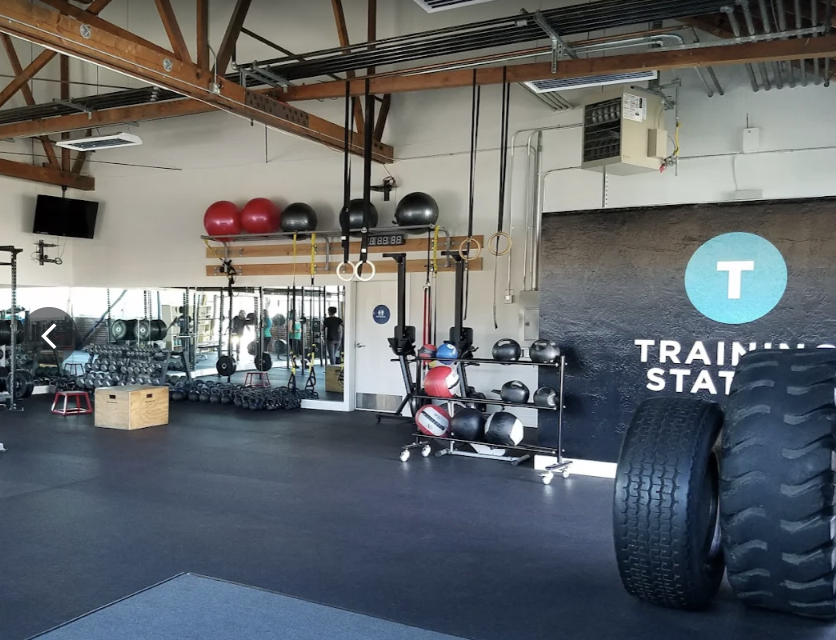
Have a look around the facility. Tell me about your goals, your challenges, and where you’d like your career to go. We can talk through your options and help you assess whether now is the right time to make the move.
There is no pressure and no obligation.
Ready to Explore Independence?
If you’d like an honest conversation about where you are today, I’d be happy to help.
Come and visit Training Station Alameda.
Take a look around the facility, ask questions, and tell me about the business you’re trying to build.
Whether you’re ready to make the move now or simply exploring your options, we’ll help you assess your situation honestly and understand what the next step might look like.
Book a Free Tour & Conversation at Training Station Alameda
Still Deciding?
If you’re not quite ready to make a move yet, that’s perfectly fine.
One of the biggest mistakes I see trainers make is rushing into independence before they’ve built the foundations to support it.
That’s exactly why I created The Training Station Playbook.
Inside, you’ll find practical lessons, business insights, and real-world strategies drawn from more than 20 years of helping trainers build successful independent careers.
Download The Training Station Playbook
Because independence isn’t really about leaving a gym.
It’s about building a career that gives you more freedom, more stability, and more fulfilment over the long term.
Frequently Asked Questions
Should I become an independent personal trainer in Alameda?
It depends on where you are in your career. Independence can provide more freedom, greater earning potential, and more control over your future, but it also comes with additional responsibility. Before making the move, make sure you have a stable client base, some financial breathing room, and a clear understanding of how you’ll continue attracting clients once you’re no longer working inside a commercial gym.
How many clients should I have before going independent?
There isn’t a magic number, but most trainers should have enough clients to create a reasonably stable income before making the transition. More important than the number itself is knowing that those clients value your coaching, trust you, and are likely to continue working with you if you move to an independent environment.
Is it hard to become an independent personal trainer?
Becoming independent isn’t necessarily hard, but it does require a different set of skills. In addition to coaching, you’ll need to think about client acquisition, scheduling, finances, and business development. Trainers who prepare in advance and build strong foundations usually find the transition much smoother than those who make the move impulsively.
Do independent personal trainers make more money?
Many independent trainers earn more because they keep a larger share of the revenue generated from their sessions. However, income depends on factors such as client retention, pricing, business expenses, and the ability to consistently attract new clients. Independence creates the opportunity to earn more, but it doesn’t guarantee it.
What are the risks of leaving a commercial gym?
The biggest risks are losing access to gym-generated leads, underestimating business expenses, and moving before you have enough financial stability. Most of these risks can be reduced through careful planning, building a loyal client base, and giving yourself time to prepare before making the transition.
How much money should I save before going independent?
Every situation is different, but having three to six months of living expenses available is a sensible goal. A financial cushion allows you to navigate normal business fluctuations without feeling pressure to make short-term decisions that may harm your business in the long run.
Can I start part-time as an independent trainer?
Yes, and in many cases it’s the smartest approach. Many successful trainers begin by renting space a few hours each week while continuing to work in a commercial gym. This allows them to build confidence, test systems, and develop their client base before making a full transition.
Where can independent personal trainers train clients in Alameda?
Independent trainers in Alameda have several options, including private studios, training facilities, outdoor spaces, and rental-friendly gyms. Many trainers choose Training Station Alameda because it offers flexible rental options, professional equipment, and a supportive community specifically designed for independent fitness professionals.