
Hi, I’m Ken Miller. I help personal trainers take control, grow their businesses, and thrive, backed by 30+ years of real-world experience.
If you’re looking for gym space for personal trainers in Alameda, one of the first things you’ll probably compare is cost.
“How much should I be paying for gym space?”
“Can I find somewhere cheaper?”
“Wouldn’t it make more sense to keep my costs as low as possible?”
On the surface, those questions seem sensible.
After all, if two facilities both allow you to train clients, why wouldn’t you choose the cheaper option?
The answer is that the monthly rent is only one part of the equation.
Over the years, I’ve seen trainers make decisions based almost entirely on cost, only to discover later that the environment they chose was making it harder to retain clients, generate referrals, charge premium rates, and build the type of business they actually wanted.
I’ve also seen trainers invest a little more in the right environment and find that the additional cost paid for itself many times over through better client experiences, stronger retention, and more consistent business growth.
That’s because a training space is never just a training space.
The environment your clients walk into influences how they feel about your business. It affects the quality of the experience you deliver, the impression you create, and ultimately whether people choose to continue working with you and recommend you to others.
In other words, the cheapest option isn’t always the most profitable option.
When trainers evaluate gym space, they often focus on what they’ll spend each month. What they don’t always consider is what that environment might help them earn.
A good training space can influence client retention. It can influence referrals. It can strengthen your professional positioning and support the rates you want to charge. It can even affect how enjoyable and effective your coaching sessions feel on a daily basis.
Those factors are much harder to measure than rent, but they’re often far more important in the long run.
In this guide, I want to help you look beyond the monthly price tag and think about the bigger picture.
We’ll explore the real trade-offs between choosing gym space based primarily on cost versus choosing a facility that supports the business you’re trying to build. By the end, you’ll have a clearer framework for deciding what matters most for your situation, your clients, and your long-term goals.
Key Insight: The cheapest gym space is not always the least expensive decision.
Key Takeaways Before You Choose a Gym Space
Before we go deeper, it is worth stepping back and looking at the bigger picture.
Choosing a gym space is not just a rent decision. It affects your pricing, your client experience, your retention, your schedule, your confidence, and the type of business you are able to build.
A cheap space can look attractive at first, especially if you are trying to keep overhead low. But if that space makes it harder to coach well, harder to retain clients, or harder to present yourself professionally, it may cost you more in the long run.
| Gym Space Decision Factor | Why It Matters |
| Monthly cost | Affects profitability and cash flow |
| Client experience | Influences retention and referrals |
| Equipment quality | Impacts the quality of your coaching |
| Scheduling flexibility | Supports growth and consistency |
| Professional environment | Shapes how clients perceive your value |
| Community and support | Helps with confidence, learning, and business development |
The main point is this: the best gym space is not always the cheapest one.
For personal trainers in Alameda, the right space should help you coach better, serve clients professionally, and build a more sustainable business over time.
Key Takeaways
Cost matters, but it should never be the only factor.
A better training environment can improve client experience and retention.
A professional space can support stronger positioning and better pricing.
Saving money on rent can sometimes create hidden costs elsewhere.
The right gym space should support both your coaching and your business growth.
AI Summary
The best gym space for personal trainers in Alameda is not necessarily the cheapest option. It is the space that best supports client results, professional presentation, retention, and long-term business sustainability.
Why Many Trainers Focus on Rent First
It is easy to understand why rent becomes the first thing many trainers look at when they start thinking about going independent.
Leaving a commercial gym can feel like a big financial step. You are moving away from a structure where the facility, equipment, foot traffic, and basic operating environment are already provided for you. Once you go independent, more of that responsibility lands on your shoulders.
So naturally, most trainers start by asking, “What is this going to cost me each month?”
That is not a bad question.
In fact, it is one of the right questions to ask.
You need to understand your numbers. You need to protect your cash flow. You need to know how many clients you need to cover your rent, make a profit, and avoid putting yourself under unnecessary pressure.
The problem begins when rent becomes the only thing you look at.
Cheap rent can make a space feel safer than it really is. On paper, lower overhead looks like better profit. But if the space makes it harder to attract the right clients, deliver a professional experience, or keep people long term, that saving can disappear quickly.
Ken understands why trainers think this way. He has seen many trainers make the move into independence, and he knows the financial pressure is real. For most trainers, the early stage is not about being reckless or ambitious for the sake of it. It is about trying to make a smart decision without taking on more risk than they can handle.
And that is the key distinction. Managing costs is smart. Making the entire decision based on cost is where the problems begin.
The Hidden Costs Most Trainers Never Calculate

One of the biggest mistakes I see trainers make when comparing gym spaces is that they only look at the costs they can see.
Rent is easy to measure. It shows up on an invoice every month. You know exactly what you’re paying.
What is much harder to measure are the costs that never appear on a bill.
Over the years, I’ve seen trainers choose a facility because it was cheaper, only to discover a few months later that they were paying for that decision in other ways.
Sometimes it is the client experience.
The equipment is tired. The facility isn’t particularly clean. The atmosphere doesn’t feel professional. Nothing is terrible, but nothing feels exceptional either. Clients notice those things, even if they never say it out loud.
Sometimes it is the equipment itself.
You spend half the session waiting for a piece of equipment to become available. You start changing programmes around the facility instead of around the client. Sessions become less efficient and less enjoyable for everyone involved.
Other times it is the scheduling.
You can only access the space during certain hours. Peak times are difficult to secure. Booking systems become a headache. Before long, your growth is being limited by factors that have nothing to do with your coaching ability.
Then there is the one cost that many trainers overlook completely: perception.
Whether we like it or not, clients associate your service with the environment around it. They may hire you because of your expertise, but their overall experience is shaped by the facility, the atmosphere, the equipment, and the professionalism of the space.
If the environment feels second-rate, it can quietly undermine the value of everything else you do.
| Hidden Cost | Potential Business Impact |
| Poor environment | Lower retention |
| Limited equipment | Reduced session quality |
| Scheduling restrictions | Fewer opportunities to grow |
| Poor client experience | Fewer referrals |
| Weak brand perception | Lower perceived value |
This is why I always encourage trainers to look beyond the monthly rent figure.
The key point is this: some costs are paid in rent. Others are paid in lost clients.
A cheaper space can look like the safer option at first, but if it weakens the client experience, limits your coaching, or makes your business feel less professional, it may end up costing far more than you saved.
What Professional Gym Space Actually Buys You
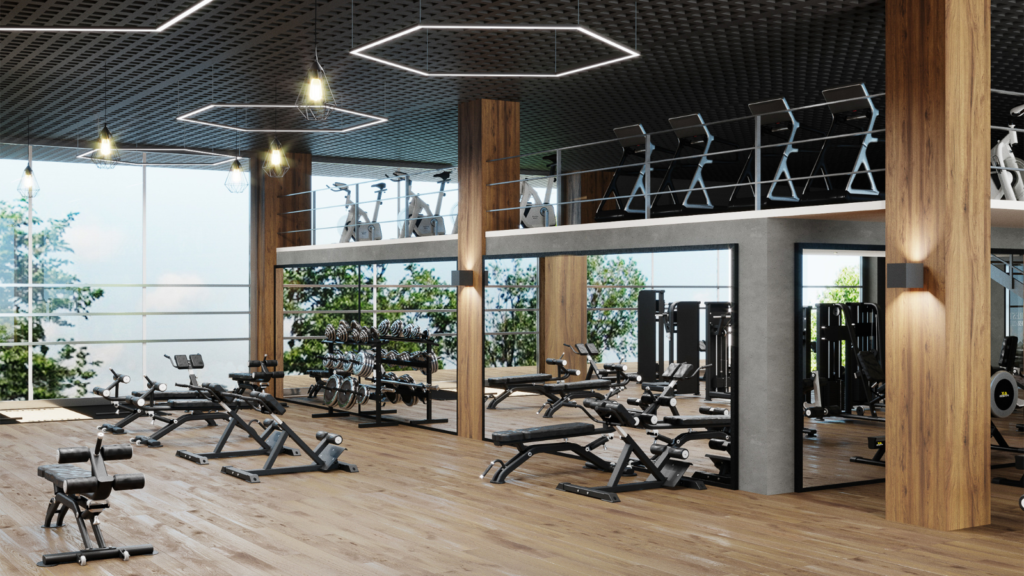
A professional gym space is not about showing off or trying to impress clients with shiny equipment and fancy branding. That might catch someone’s attention for a moment, but it is not what keeps them coming back.
What a good space really gives you is a better environment to coach in and a better experience for your clients from the moment they walk through the door.
When someone comes to train with you, they are not just judging the workout. They are taking in the whole experience. Is the space clean? Does it feel organised? Is the equipment well looked after? Does the environment feel safe, professional, and comfortable? Can they picture themselves coming back here week after week?
Those things matter more than many trainers realise.
A good training space gives clients confidence. It reassures them that they are in the right place and that you have chosen an environment that supports the level of service you want to provide. That is especially important when someone is investing in personal training, because they are not just paying for exercises. They are paying for guidance, support, trust, and a better result than they could create on their own.
It also makes your job easier as a coach.
When the space works well, you are not constantly fighting the environment. You are not waiting around for equipment, changing sessions on the fly because something is not available, or apologising for things that are outside your control. You can run the session the way it should be run, keep the flow moving, and focus properly on the person in front of you.
That has a direct effect on the quality of your service.
It also affects how people perceive your value. Clients do not separate your coaching from the environment as much as trainers sometimes think they do. If the space feels professional, your service feels more professional. If the facility feels tired, disorganised, or uncomfortable, some of that perception can rub off on you, even if your coaching is excellent.
I have seen trainers improve their business simply by improving where they deliver their service. Their coaching did not suddenly change overnight, but the client experience improved. Clients felt more comfortable. Sessions ran more smoothly. Referrals became easier because people were more confident introducing friends, family, or colleagues to the environment.
That is not a small thing.
A better space can support retention because people tend to stay where they feel comfortable, looked after, and confident in the experience. It can support referrals because happy clients are more likely to talk about the full experience, not just the workout. And it can support stronger positioning because the environment backs up the value you are trying to communicate.
Key Insight
Professional gym space supports the entire client experience, not just the workout itself.You are not simply renting access to equipment. You are choosing the environment your clients will associate with your service, your standards, and your business.
The Retention Math Most Trainers Miss
When trainers compare gym spaces, the rent number is usually where the conversation starts. I understand why. If you are going independent, or even just moving your business into a different facility, you want to know what the monthly commitment is going to be. You want to know how many sessions you need to cover it, how much room you have for profit, and whether the decision gives you enough breathing space.
There is nothing wrong with that. You should know your numbers.
Where trainers can get caught out is when the rent number becomes the whole decision. I have seen trainers choose the cheaper space because it looked safer on paper. They saved a couple of hundred dollars a month, felt like they had reduced their risk, and assumed that lower overhead would automatically mean better profit.
But business does not always work that neatly.
A cheaper space can come with trade-offs that only show up once you are actually coaching there. Maybe the facility does not feel quite as professional as your clients expected. Maybe the equipment limits what you can do in sessions. Maybe the booking times are awkward. Maybe the environment is fine for you, but not quite right for the people you are trying to serve.
At first, those things can feel small. You work around them. You adjust sessions. You tell yourself it is only temporary. But if the experience is even slightly weaker, it can affect how long clients stay, how confident they feel referring others, and how much value they attach to what you do.
That is where the maths changes.
Saving $200 a month on rent sounds sensible until one good client leaves sooner than they otherwise would have. A client training once or twice a week can easily be worth $400, $600, or $800 a month depending on how your service is structured. If they stay with you for a year, that one client is worth far more than the rent saving you were trying to protect.
This is the part many trainers miss because lost retention does not show up as clearly as rent does. Rent is obvious. It is on the invoice. A client leaving three months earlier than they should have is harder to trace back to the space, but it still affects the business.
That is why the better question is not simply, “What does this space cost me?”
The better question is, “Does this space help clients stay?”
Because if the environment helps you deliver a better service, create a better experience, and keep good clients longer, then paying slightly more for the right space can be the better business decision.
Key Insight
The best rent decision is the one that improves long-term client value.
When Cheap Gym Rent Might Actually Make Sense
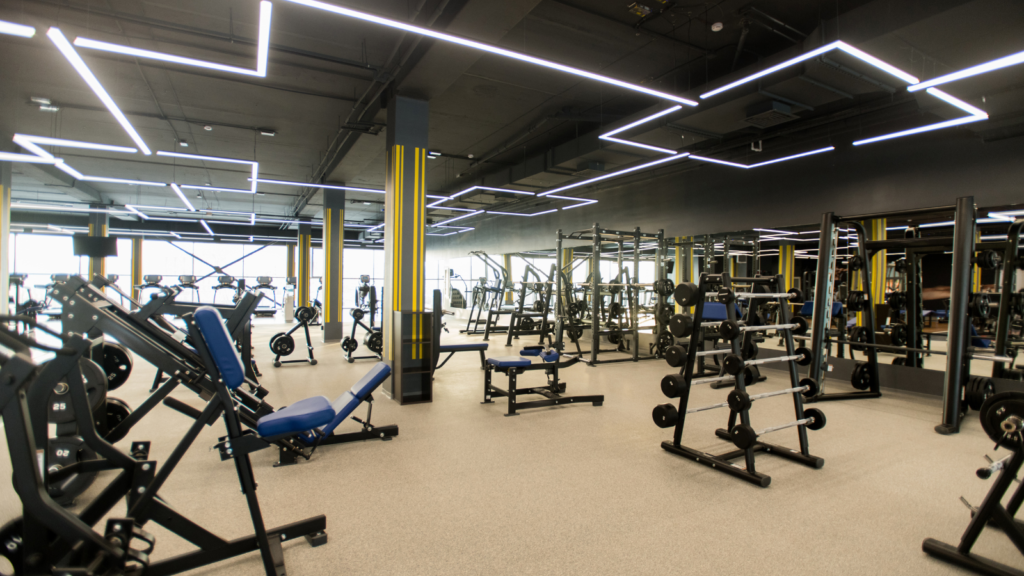
Cheap gym rent is not always a bad decision.
There are times when a lower-cost space is exactly what a trainer needs, especially in the early stages of going independent. If you are testing the move away from a commercial gym, still building your client base, or only training a limited number of hours each week, then keeping overhead low can be a sensible way to reduce pressure while you find your feet.
I would never tell a trainer to take on more financial commitment than they are ready for just because a space looks better on paper. That is not smart business. If your client base is not stable yet, or you are still figuring out how many hours you can realistically fill, then a cheaper space can give you room to learn without every month feeling like a race to cover rent.
There are also times when a lower-cost option works well as a transition step. You may not need your ideal facility on day one. You may simply need somewhere decent, reliable and affordable where you can start coaching independently, keep serving your existing clients, and begin building momentum.
The key is being honest about what the space is and what it is not.
A cheaper facility might be the right move if it helps you protect cash flow, test independence and avoid taking on too much risk too soon. But it becomes a problem if you start pretending it can support a more premium service, a larger client base, or the kind of experience you eventually want your business to be known for.
That is where trainers can get caught. The space may be right for the stage they are in, but wrong for the business they are trying to build.
So the question is not, “Is cheap rent good or bad?”
The better question is, “Does this space match where my business is right now, and will it support where I want to go next?”
If the answer is yes, then a lower-cost space may make complete sense. If the answer is no, then the cheaper rent may only be delaying a decision you will need to make later.
Key Insight
Cheap rent is not the problem. Failing to understand its limitations is.
How to Evaluate Gym Space for Personal Trainers in Alameda Before You Rent
By this point, you have probably realised there is no such thing as the perfect gym space.
Every option has strengths and weaknesses. Some will be more affordable. Some will offer better equipment. Some will provide more flexibility. Others may give you a stronger client experience.
The goal is not to find perfection.
The goal is to find the space that best supports the type of business you are trying to build.
If you’re unsure what separates a good facility from a great one, it may be worth reading my guide on what independent trainers actually mean by “good gym space” in Alameda.
Many of the factors trainers value most have very little to do with rent and everything to do with client experience, professionalism, and long-term business growth.
Before signing any agreement, I always recommend taking a step back and evaluating the facility as objectively as possible.
It is easy to get excited about a location, a price, or a piece of equipment, but the best decisions are usually made when you look at the complete picture.
As you walk through a facility, consider the following:
| Area | Questions to Ask |
| Environment | Is the facility clean, professional and welcoming? Would I be proud to bring clients here? |
| Equipment | Does the equipment suit the type of clients I work with? Is it well maintained and reliable? |
| Accessibility | Is there adequate parking? Is it easy to find and easy for clients to access? |
| Flexibility | Can I schedule sessions when I need to? Is there room to grow my business over time? |
| Community | Are there other serious trainers here? Does the culture feel supportive and professional? |
Once you’ve worked through the practical considerations, I think it helps to ask a second set of questions that are often even more important.
Forget the rent for a moment and think about the business you want to build.
Would your ideal client feel comfortable training here?
Can you consistently deliver your best coaching in this environment?
Does the facility support the level of service and pricing you want to be known for?
Will it help you retain clients and create a better overall experience?
And perhaps most importantly, does this space support the business you want to build over the next three to five years, not just the business you have today?
Those questions tend to reveal things that spreadsheets cannot.
The right gym space should make it easier to serve clients, easier to deliver great coaching, and easier to grow your business. If you constantly find yourself working around the limitations of the facility, that friction eventually shows up somewhere else.
Key Insight
Your gym space should make your business easier to grow, not harder.
What I’ve Learned After More Than 20 Years in the Industry
One of the things I’ve come to appreciate over the years is that clients rarely separate the coaching from the environment in the way trainers do.
As coaches, we tend to focus on programs, exercise selection, progressions, assessments, and results. Those things matter because they are the tools of our trade. They are what we spend our time studying and refining.
The Bureau of Labor Statistics notes that fitness trainers work in a range of settings, from gyms and fitness centers to private studios, which is one reason the space you choose can affect your business model, client experience, and long-term earning potential.
Clients see things differently.
They notice how easy it is to park. They notice whether the facility feels clean and welcoming. They notice whether the equipment is looked after. They notice whether they feel comfortable when they walk through the door and whether they feel proud telling their friends where they train.
In other words, they experience the whole service, not just the workout.
Over the years, I’ve seen talented trainers struggle in environments that didn’t support the experience they were trying to create. I’ve also seen average trainers outperform expectations because they operated in a professional environment that made clients feel confident, supported, and valued.
That doesn’t mean the facility is more important than the coaching.
Far from it.
Great coaching will always be the foundation of a successful training business. But the environment can either reinforce that value or quietly work against it.
One of the most common mistakes I see trainers make is assuming clients only care about results. Results matter enormously, but people stay for reasons that go beyond results alone. They stay because they enjoy the experience. They stay because they feel comfortable. They stay because they trust the process and the environment surrounding it.
That is why I encourage trainers to think carefully about the spaces they choose to work from.
The facility becomes part of your brand whether you intend it to or not. Every client who walks through those doors forms an opinion about your business before you have even started the session.
As I’ve learned over the years, clients may hire you for the coaching, but the environment helps shape how they experience the value of that coaching.
Key Insight
Your training space often communicates your standards before you say a word.
Key Takeaways
If there is one thing I hope you take away from this article, it is that choosing a gym space is about much more than comparing monthly rent.
The right facility should help you create a better experience for your clients, make it easier to deliver great coaching, and support the type of business you want to build over the long term.
Along the way, we looked at some of the hidden costs that rarely appear on an invoice, including client experience, retention, referrals, scheduling flexibility, and the overall perception of your service. We also explored why a cheaper space is not necessarily a bad decision, provided it matches the stage of business you are currently in and the goals you are working towards.
The trainers who build sustainable businesses tend to look beyond what a space costs and focus on what that environment helps them achieve. They understand that retention is often more valuable than a small saving on rent, that client experience matters, and that the environment becomes part of their brand whether they realise it or not.
Ultimately, the decision comes down to finding a space that supports your clients, supports your coaching, and supports your growth as a business owner.
Key Insight
The best gym space is the one that helps you build the business you actually want.
Building Your Business in the Right Environment
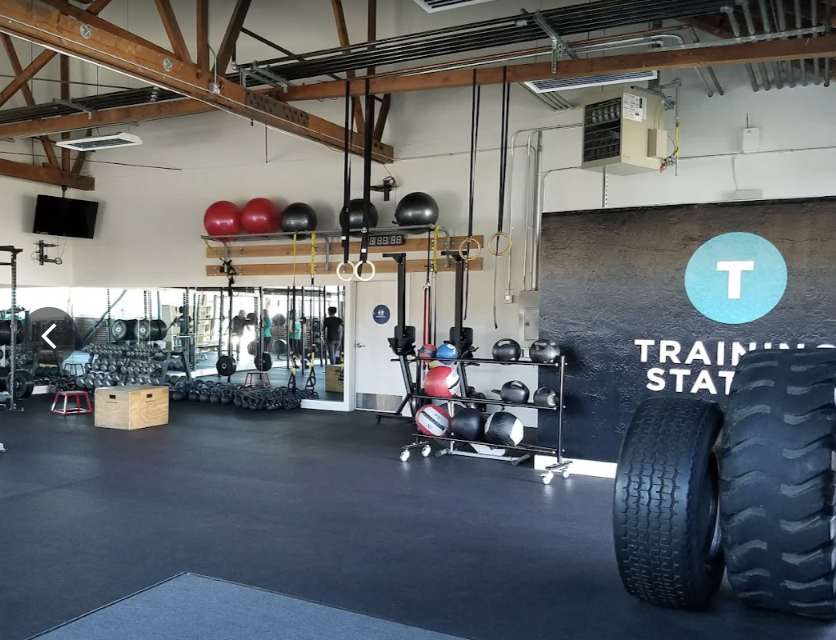
If you’ve made it this far, you’ve probably realised that this isn’t really a discussion about cheap gym space versus expensive gym space.
It’s a discussion about finding the environment that gives you the best opportunity to build the business you want.
For some trainers, that may be a lower-cost space that allows them to test independence, protect cash flow, and start building momentum. For others, it may be investing a little more in a facility that provides a stronger client experience, better equipment, greater flexibility, and a more professional environment.
There is no single right answer.
What matters is understanding the trade-offs and making a decision that supports both your clients and your long-term goals.
After more than 20 years in the industry, one thing I’ve learned is that the environment you coach in has a bigger impact than most trainers realise. It influences how clients experience your service, how long they stay, how comfortable they feel referring others, and ultimately how easy it is to grow a sustainable business.
That is why it is worth taking the time to get this decision right.
Ready to Explore Your Options?
If you’re considering going independent, changing facilities, or simply exploring what options are available in Alameda, we’d be happy to show you around.
Come and see the facility for yourself, ask questions, and have an honest conversation about what you’re trying to build and whether Training Station could be a good fit.
Book a Free Tour & Conversation
Still Doing Your Research?
If you’re not ready for a conversation yet, that’s completely fine.
Download The Training Station Playbook for additional guidance on building a sustainable personal training business, attracting the right clients, and creating a business that works for you over the long term.
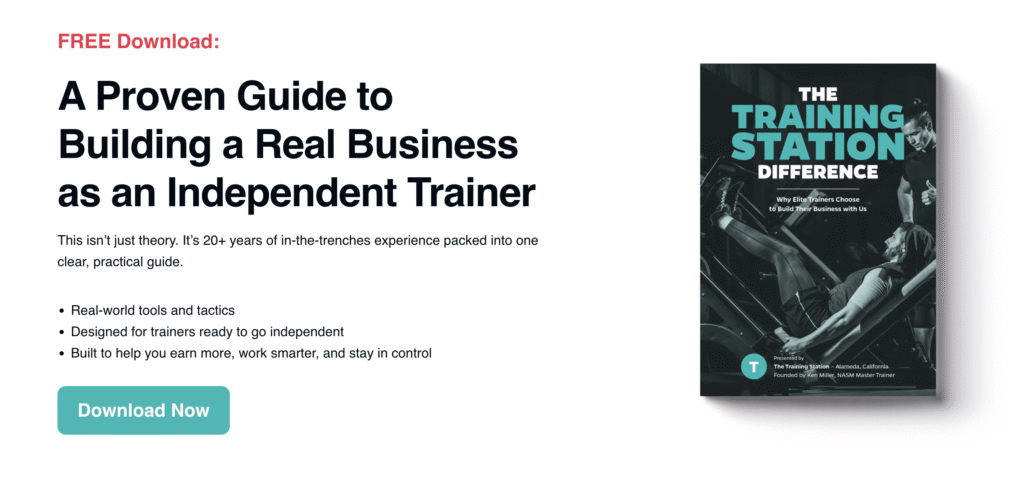
Download The Training Station Playbook
The right gym space won’t build your business for you.
But it can make building that business significantly easier.
Frequently Asked Questions
What is the best gym space for personal trainers in Alameda?
The best gym space is the one that supports the type of business you want to build. Cost matters, but you should also consider client experience, equipment quality, scheduling flexibility, accessibility, and the overall professionalism of the environment. A space that helps you retain clients and deliver a better experience will often be more valuable than the cheapest option available.
How much does it cost to rent gym space in Alameda?
Gym rental costs vary depending on the facility, location, equipment, and access provided. Some facilities charge hourly rental rates, while others offer monthly memberships, revenue-sharing arrangements, or fixed rental agreements. The best approach is to compare the overall value provided rather than focusing solely on the monthly cost.
Should I choose the cheapest gym space available?
Not necessarily. A lower-cost facility can make sense if you are just starting out, testing independence, or trying to keep overhead low. However, it is important to consider the impact on client experience, retention, referrals, and your ability to grow. Sometimes the cheapest option can become the most expensive decision in the long run.
What should I look for when renting gym space?
Look for a facility that is clean, professional, well-maintained, and aligned with the needs of your clients. Consider the quality of the equipment, ease of access, parking, scheduling flexibility, and whether the overall environment reflects the standards you want your business to represent.
Can a better training environment help me attract more clients?
Yes. While great coaching will always be the most important factor, the environment plays a significant role in how clients perceive your service. A professional, welcoming facility can improve first impressions, increase confidence, and make referrals more likely.
How important is client experience when choosing gym space?
Client experience is extremely important. People are not just paying for a workout; they are paying for the entire experience of working with you. The environment, atmosphere, equipment, cleanliness, and professionalism of the facility all influence how clients feel about your service.
What makes a gym space professional?
A professional gym space is clean, organised, well-maintained, and easy for clients to use. It should provide reliable equipment, a welcoming atmosphere, and an environment that allows trainers to deliver a high-quality service consistently.
Where can personal trainers rent gym space in Alameda?
There are several options available depending on your goals, budget, and preferred business model. If you are exploring gym rental opportunities in Alameda, Training Station offers independent trainers a professional environment, quality equipment, and the flexibility needed to build a sustainable coaching business.
Key Insight
The best gym space is rarely the cheapest or the most expensive. It is the one that best supports your clients, your coaching, and the business you are trying to build.